A somewhat random selection of women in STEM
Women have been scientists and mathematicians for far longer than one would think. I was thrilled to learn about these women — many I had never heard of — and their contributions to expand our knowledge. Not surprisingly, many of them were also involved in the fight for women’s rights, suffrage, and racial equality. The dates below correspond to the dates I shared on my social media. I highly encourage you to read more about these fabulous women at the listed links, or better yet, visit your local library.
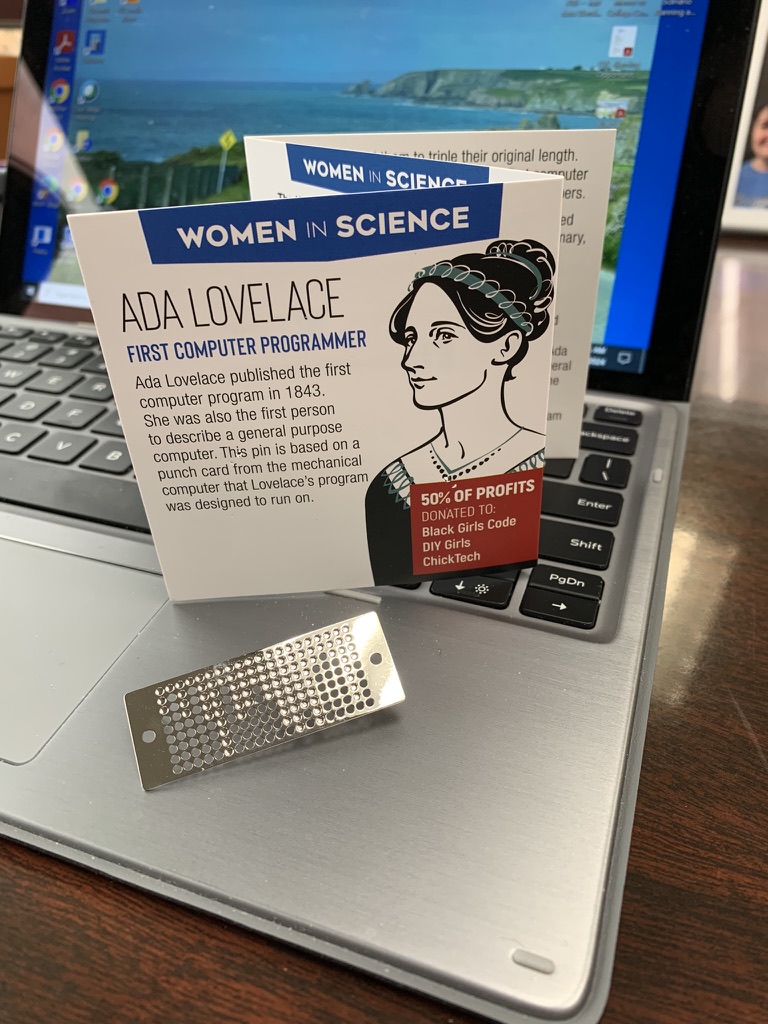
March 4: Ada Lovelace (1815-1852) was the first computer programmer. In high school, I loved my computer class (who remembers programming in basic or pascal?) but I never learned about Ada. https://www.newyorker.com/tech/annals-of-technology/ada-lovelace-the-first-tech-visionary
March 5: Dame Jocelyn Bell Burnell (b. 1943) was a graduate student when she discovered pulsars in 1967. The 1974 Nobel Prize in Physics went to her advisor; she finally got a special recognition award in 2018. https://starchild.gsfc.nasa.gov/docs/StarChild/whos_who_level2/bell.html
March 6: Grace Hopper (1906-1992) was amazing. Rear Admiral in the Navy, computer scientist, mathematician. She often carried a wire that was 11.8 inches long, or the distance electricity travels in a nanosecond. https://president.yale.edu/biography-grace-murray-hopper
March 7: Rosalind Franklin (1920-1958) didn’t just help discover the structure of DNA, she also did research on viruses and RNA. She died far too young, from ovarian cancer, at age 37. https://profiles.nlm.nih.gov/spotlight/kr/feature/biographical
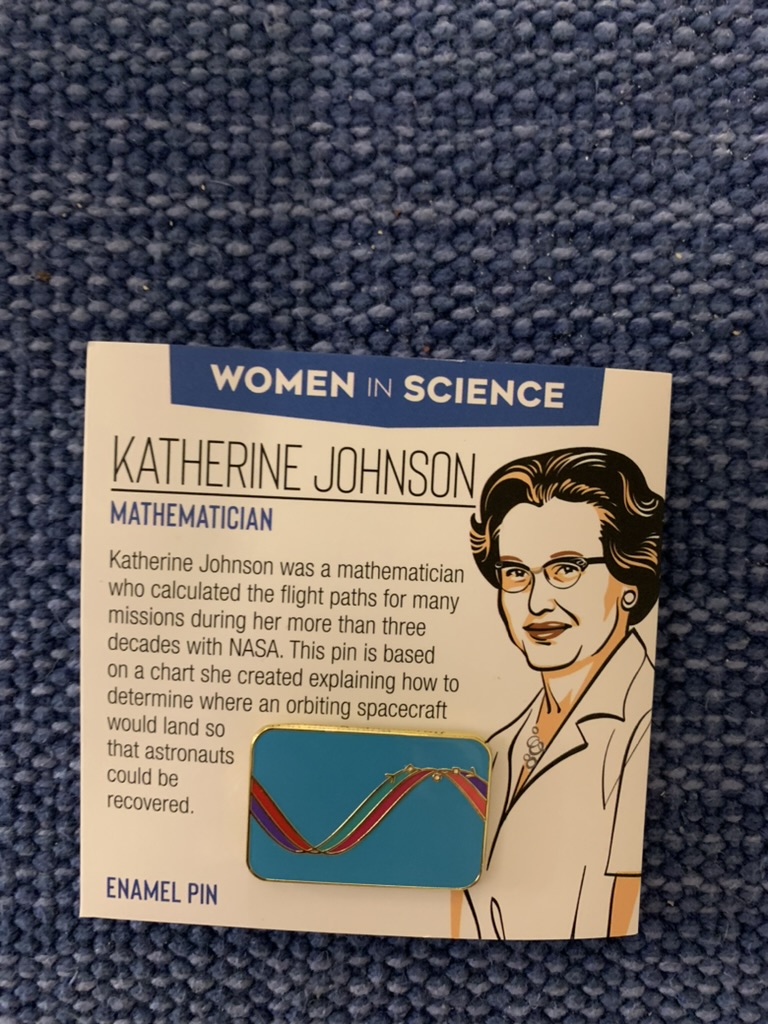
March 8: Katherine Johnson (1918-2020) helped develop the equations for orbital space flight. I first learned about her from the movie “Hidden Figures.” https://www.nasa.gov/centers-and-facilities/langley/katherine-johnson-biography/
March 9: The term “Apgar Score” will sound familiar if you’ve given birth; it’s a quick assessment of a newborn’s health. It was designed by Virginia Apgar (1909-1974). She was the first women to be named a full professor at Columbia College of Physicians and Surgeons. https://www.marchofdimes.org/about-us/mission/history/virginia-apgar-md
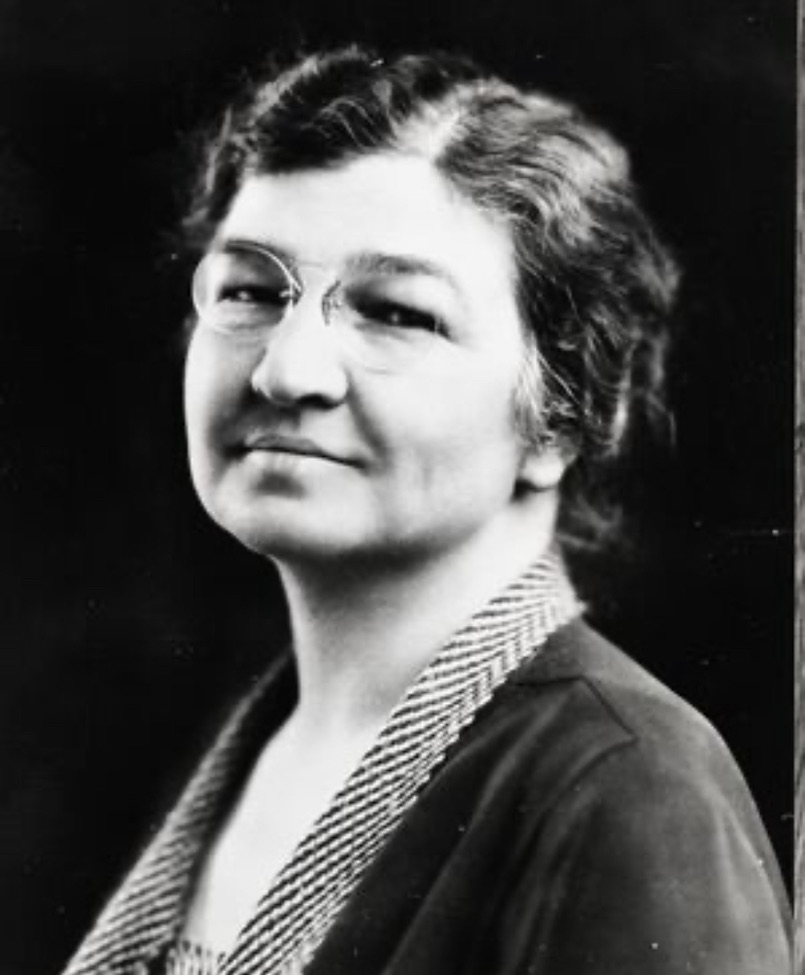
March 10: Edith Clarke (1883-1959) was an American electrical engineer. She was the first woman to be professionally employed as an electrical engineer in the United States, and the first female professor of electrical engineering in the country. In 1919, she became the first woman to graduate from MIT with a Master’s Degree in Electrical Engineering. After a challenging start, she had a long career at General Electric. https://en.wikipedia.org/wiki/Edith_Clarke
March 10 bonus post: HarrietTubman died on this day in 1913. I just finished reading her biography by Kate Clifford Larson. She was an incredible person.
March 11: Nancy Grace Roman (1925-2018) was an astronomer and champion of the Hubble Telescope. Hired by NASA and became Chief of Astronomy and Relativity but “still couldn’t get past the secretaries without explaining her credentials.” https://science.nasa.gov/people/nancy-roman/
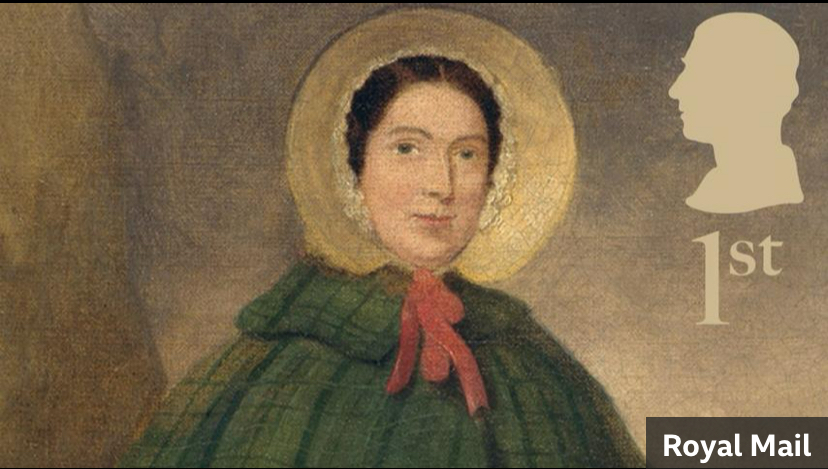
March 12: Mary Anning (1799-1847) was a British paleontologist. She discovered Jurassic marine fossil beds in the cliffs along the English Channel, contributing to how the scientific community thought about prehistoric life. The Royal Mail recently issued stamps in her honor. https://www.bbc.co.uk/news/uk-england-dorset-68470305
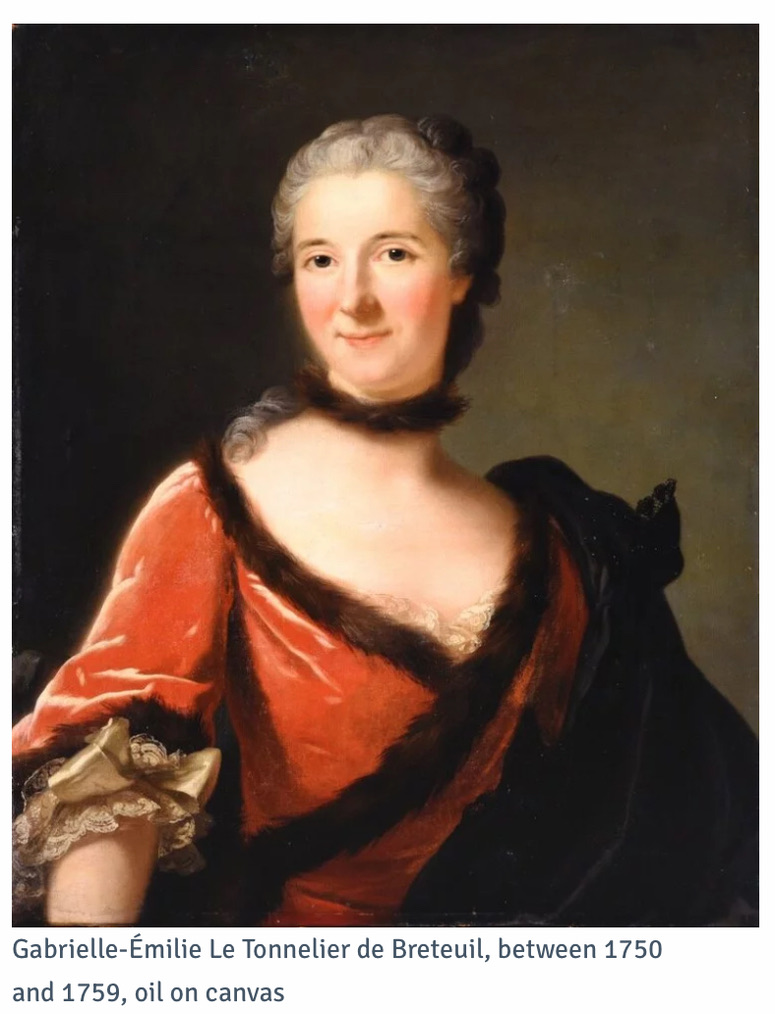
March 13: Emilie du Châtelet (1706-1749) was a French natural philosopher, physicist, and mathematician; her translation of and commentary on Isaac Newton’s 1687 book Philosophiæ Naturalis Principia Mathematica was published posthumously in 1756 and is still considered the standard French translation. https://historyofwomenphilosophers.org/project/directory-of-women-philosophers/du-chatelet-emilie-1706-1749/
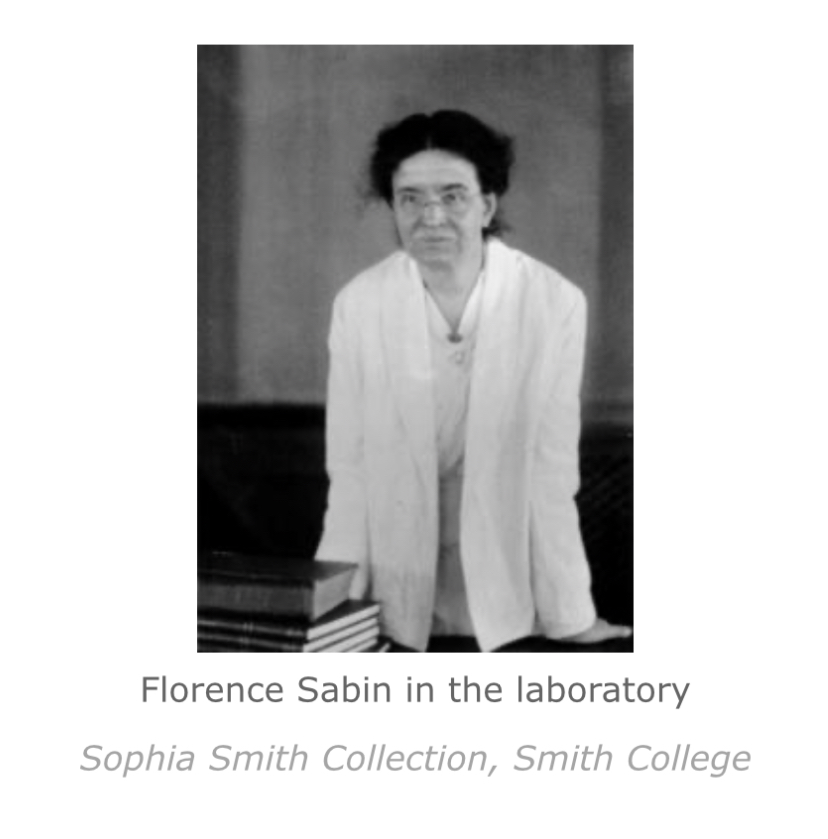
March 14: Florence Sabin (1871-1953) was one of the first female physicians to build a career as research scientist; she specialized in embryology and histology. First woman appointed to the faculty at Johns Hopkins School of Medicine. https://cfmedicine.nlm.nih.gov/physicians/biography_283.html
March 15: Ana Roque de Duprey (1853-1933). Among her many accomplishments she wrote a geography textbook, founded several girls schools, was one of the founders of the #UniversityPuertoRico, wrote the “Botany of the Antilles,” and was instrumental in the fight for the Puerto Rican woman’s right to vote. https://obamawhitehouse.archives.gov/women-in-stem
March 16: I was surprised to learn recently that not everyone knows about Rachel Carson (1907-1964). She first came to national attention because of her writing on oceans. #SilentSpring, published in 1962, launched the modern environmental movement. When you are in southern Maine – perhaps after eating at the Maine Diner – be sure to visit the Rachel Carson National Wildlife refuge @https://www.fws.gov/refuge/rachel-carson
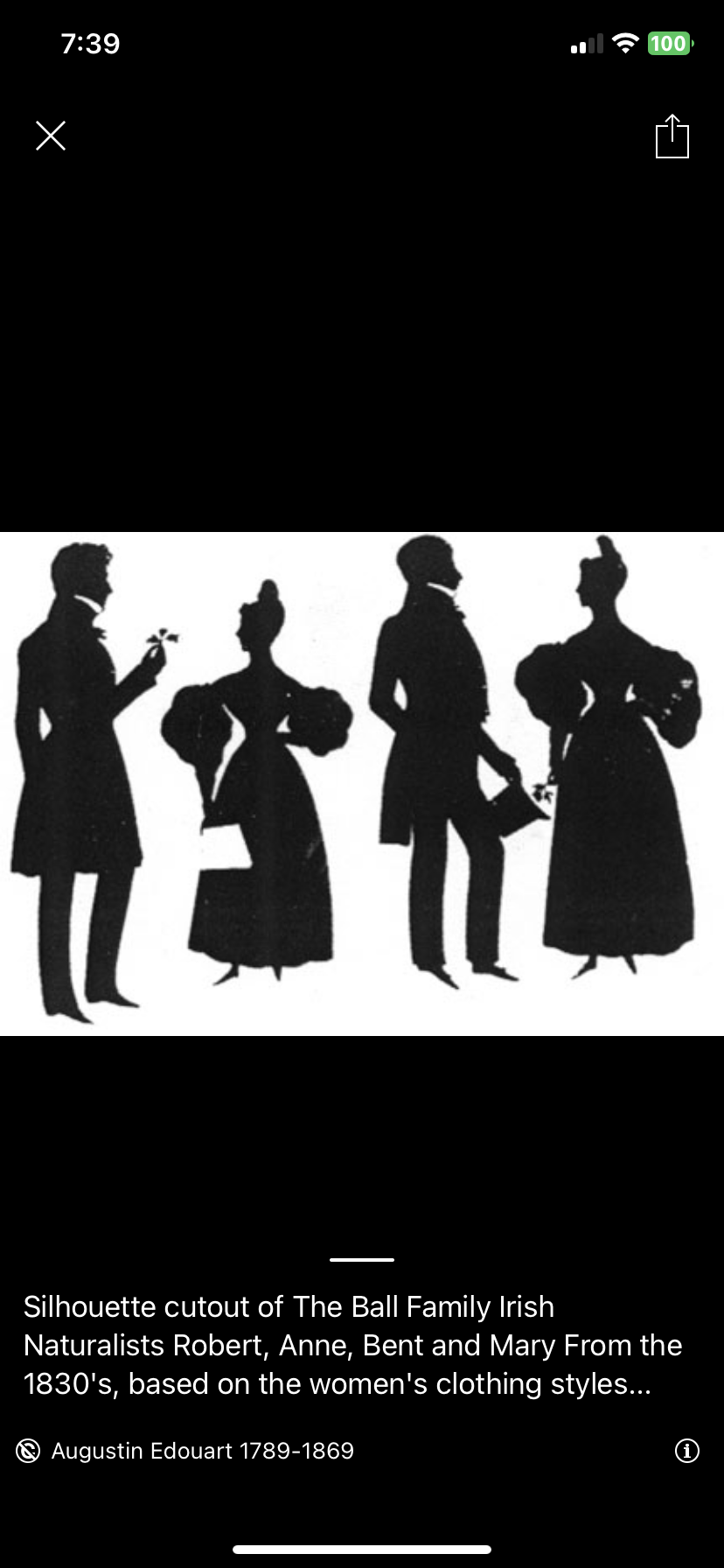
March 17: Two Irish scientists: Mary Ball (1812-1898), an entomologist and her sister, Elizabeth Anne Ball (1808-1872), a botanist, algologist and botanical illustrator. They were both born in Cobh, County Cork. Mary is known for discovering stridulation in aquatic bugs and Elizabeth for collecting the original specimen of Cladophora balliana (named for her) as well as her drawings. https://en.wikipedia.org/wiki/Mary_Ball_(naturalist) and https://en.wikipedia.org/wiki/Anne_Elizabeth_Ball
March 18: Virginia Holsinger (1937-2009) was a chemist and food scientist who developed the enzyme used in dietary supplements: Lactaid and Beano. She worked for the USDA and specialized in dairy products. https://lemelson.mit.edu/resources/virginia-holsinger
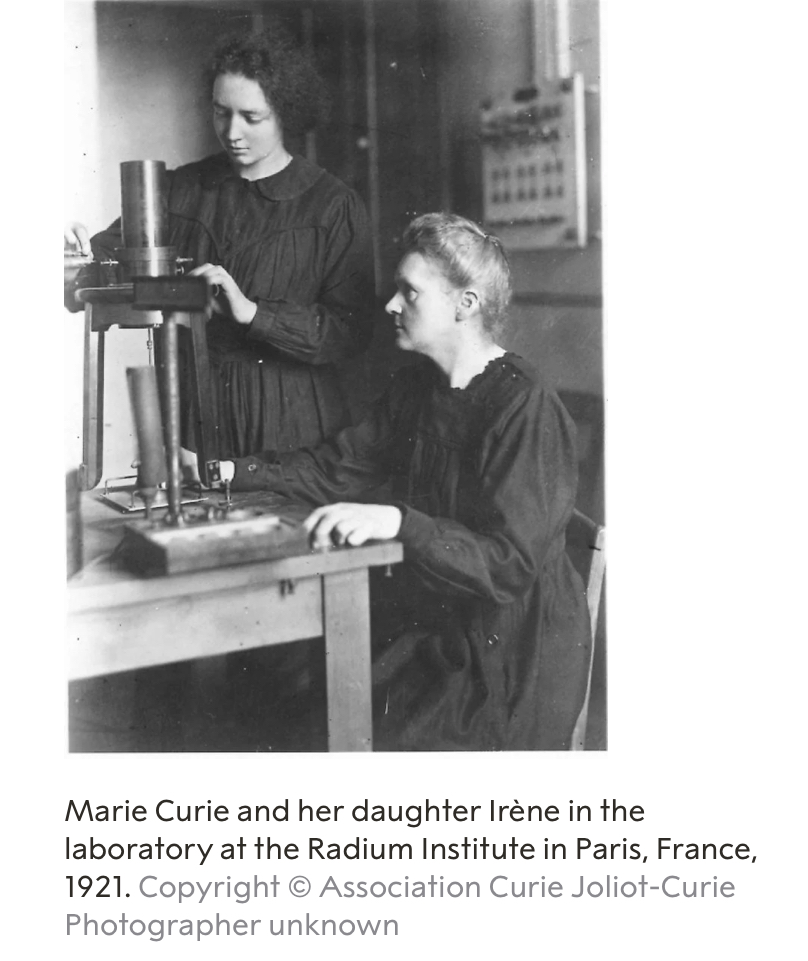
March 19: One of the earliest biographies I remember reading was that of Maria Salomea Skłodowska-Curie (1867 – 1934), or Marie Curie. I was fascinated by her life in Poland, her move to Paris, life as a very poor student, and her work with her husband, Pierre. She is still the only person to win a Nobel Prize in two different areas: Physics and Chemistry. Five members of the Curie family, including Marie’s daughter Irene and son-in-law Frederic, won Nobel prizes. https://history.aip.org/exhibits/curie/
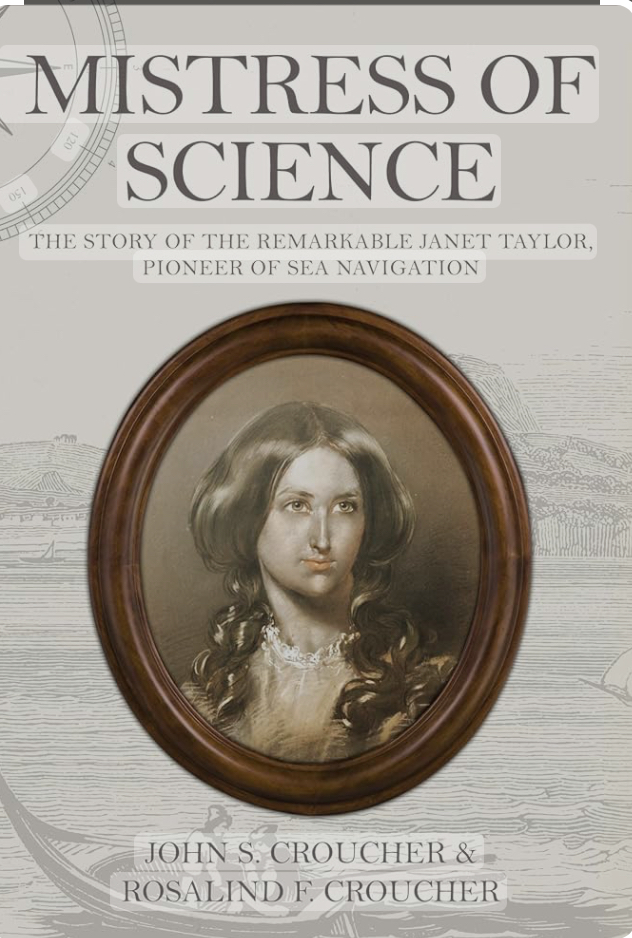
March 20: Janet Taylor (1804-1870), astronomer and mathematician, developed a mathematical model showing the earth is spheroidal, not spherical. This led to more accurate nautical navigation. She created a tool called the Mariners Calculator, however the powers-that-be deemed it unnecessary and only one was made. John S Croucher and Rosalind E Croucher wrote a biography of her.
https://www.marinersmuseum.org/2021/03/the-fruitful-earth-a-brief-tale-of-the-talented-janet-taylor/
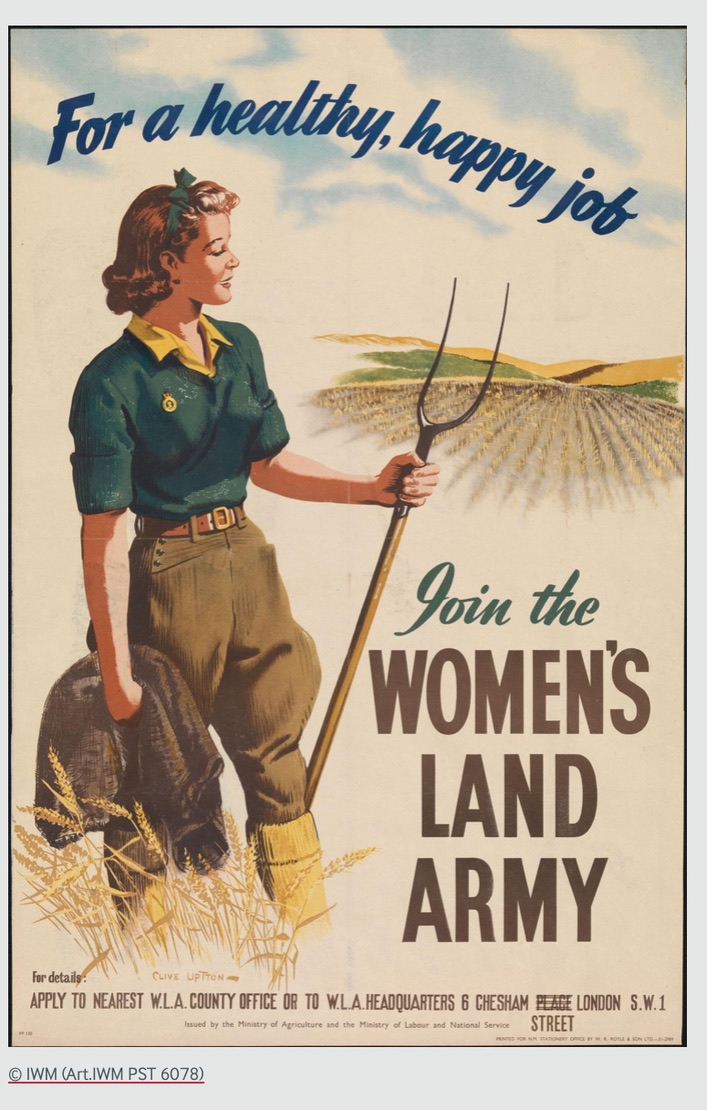
March 21: Did you ever think about how the nation was fed during World War II? Following efforts begun in World War I, the Womens Land Army in both the United States and Great Britain drove tractors, picked crops, milked cows, and generally ensured each nation’s food supply. Eleanor Roosevelt was a long time supporter. Women faced problems similar to today: inadequate daycare facilities, racism, low pay, and lack of respect from the men. But more than 1.5M women gave up vacations, worked early or late, and maintained their own households while serving. https://www.archives.gov/publications/prologue/1993/winter/landarmy.html
March 22: Agnes Arber (1879-1960), died on this day (March 22.) She was British botanist, known for her work in comparative anatomy. First woman botanist named a fellow of the Royal Society. https://en.wikipedia.org/wiki/Agnes_Arber
March 23: June Bacon-Bercey (1928-2019) was the first Black woman to earn a degree in meteorology from UCLA and was the first Black, as well as the first female, on-air meteorologist. She worked as a scientist for NOAA several times. Passionate about encouraging young people to study science, June established a scholarship with her winnings from a television game show and spent her final years teaching math and science classes to elementary and high schools students. https://www.blackpast.org/african-american-history/people-african-american-history/june-bacon-bercey-1928-2019/
There are still few Black female meteorologists, but Veronica Johnson (Washington DC), Karlene Chavis (San Diego), and Betty Davis (South Florida) are following in June’s footsteps. https://www.washingtonpost.com/weather/2023/02/03/black-women-meteorologists-tv-weather/
March 24: Elizabeth “Elsie” MacGill (1905-1980), aeronautical engineer. She was the first women to earn an Electrical Engineering degree from U. of Toronto and the first woman to earn a Masters Degree in Aeronautical Engineering from U. of Michigan. Elsie also did post-graduate study at MIT. At the start of World War II, she was put in charge of all engineering work related to the #hawkerhurricane fighter, earning her the nickname “Queen of the Hurricanes.” Elsie was also an advocate for women’s rights. https://cahf.ca/elizabeth-muriel-gregory-macgill/ https://en.wikipedia.org/wiki/Elsie_MacGill
March 25: Alice Ball (1892-1916), chemist, grew up in Seattle and was the first woman and first Black person to earn a master’s degree from the U. of Hawaii. She studied the oil of the chaulmoogra seed, and at age 23, developed a treatment for leprosy (Hansen’s Disease) that helped thousands of people. She died suddenly at age 24, and her work was not properly credited for more than 50 years. https://www.nytimes.com/2023/04/08/obituaries/alice-ball-overlooked.html?ugrp=u&unlocked_article_code=1.fk0.t6NV.Me5-JYY7so5U&smid=url-share
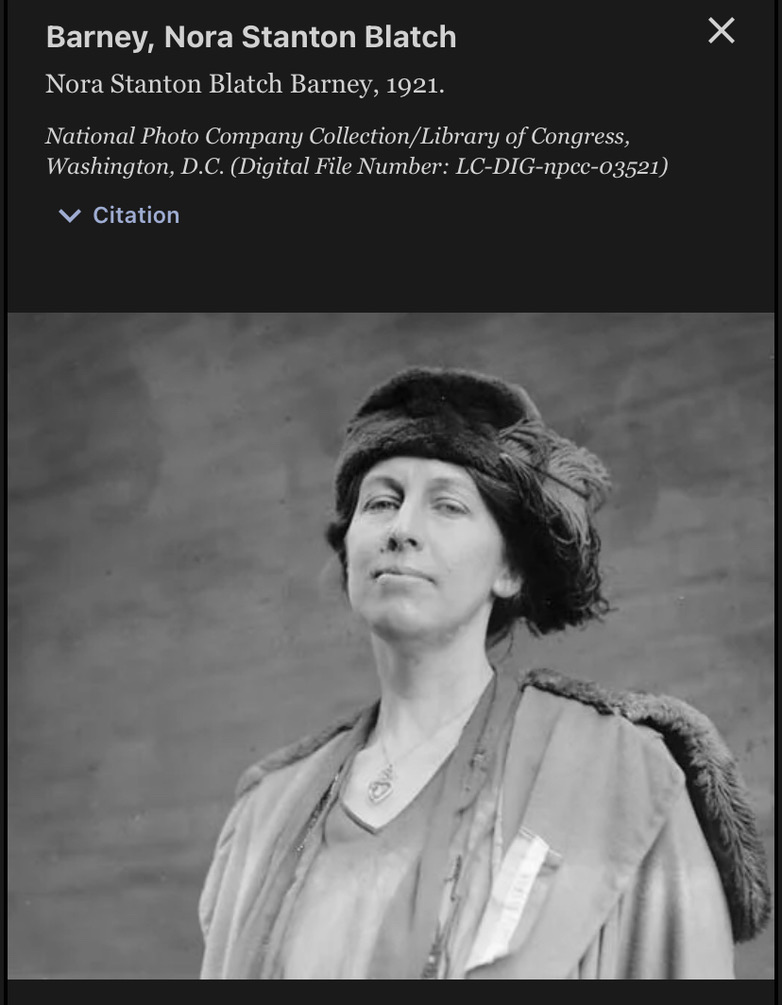
March 26: Nora Stanton Blatch Barney (1883-1971), first woman to receive a degree in civil engineering from Cornell University. She worked for the NY Public Service Commission and the CT and RI Public Works Administration as an architect, engineering inspector and structural-steel designer. Following in her mother Harriot Eaton Stanton and grandmother Elizabeth Cady Stanton’s footsteps, Nora was active in the fight for women’s suffrage. https://en.wikipedia.org/wiki/Nora_Stanton_Barney
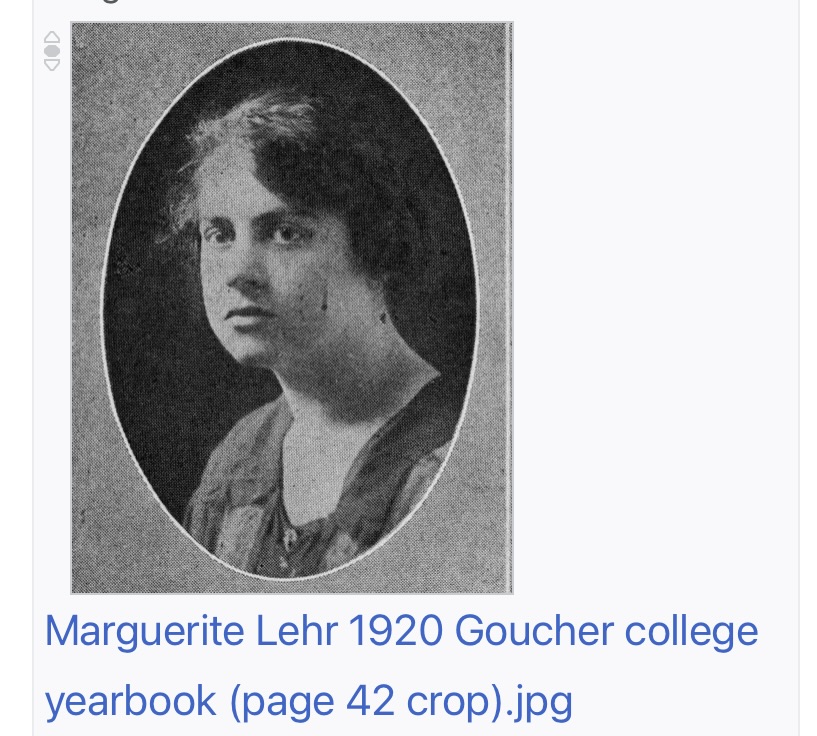
March 27: Marguerite Lehr (1898-1987), mathematician, graduated from Goucher College, studied in Rome, and earned her doctorate at Bryn Mawr. Growing up “she didn’t know it was kooky for a girl to be hooked on mathematics.” She became a professor at Bryn Mawr and worked there for the rest of her career. In 1953-54, she conducted on-air math classes as part of a Philadelphia television station’s “University of the Air.” https://mathwomen.agnesscott.org/women/lehr.htm
March 28: Maria Goeppert Mayer (1906-1972) was the second woman to win a Nobel Prize in Physics. She earned her PhD in 1930 from the University of Göttingen, but didn’t get her first paid professional position until 1941. She worked on the Manhattan Project, and later developed the mathematical model for the structure of nuclear shells. https://en.wikipedia.org/wiki/Maria_Goeppert_Mayer
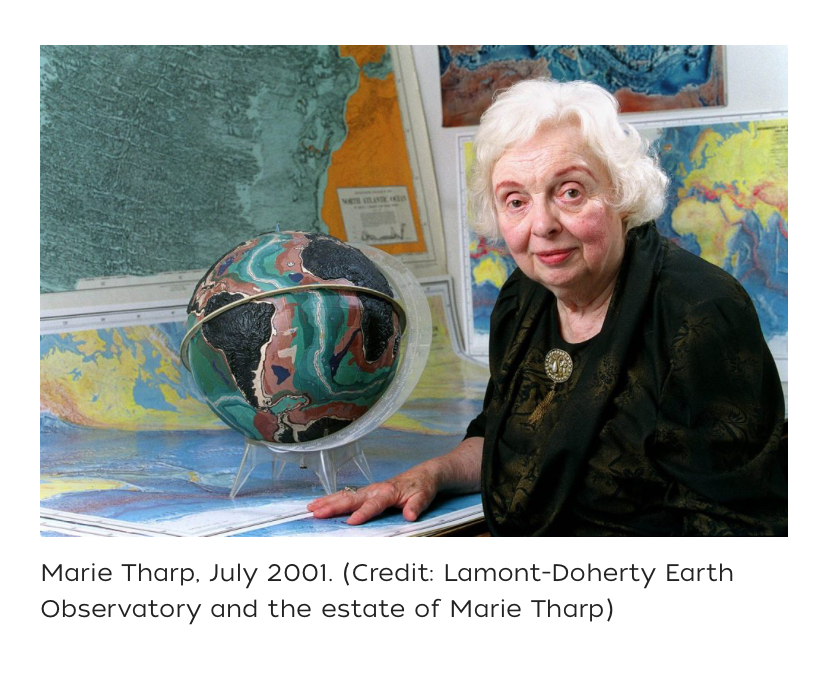
March 29: Marie Tharp (1920-2006), geologist and oceanographer, mapped the ocean floor and helped prove the theory of plate tectonics. She worked for more than 20 years before being allowed on a research cruise in 1968. https://marietharp.ldeo.columbia.edu/about-marie-tharp
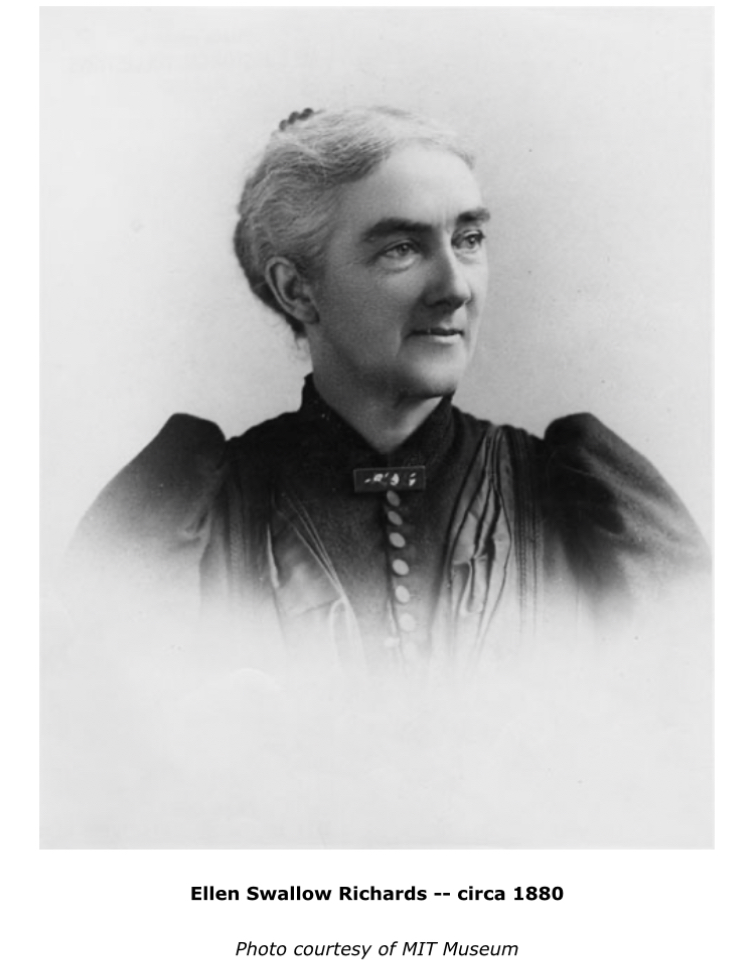
March 30: Ellen Swallow Richards (b. 1842, died on this day, March 30, 1911), was the first woman admitted to MIT and the first woman to receive her S.B. She was known for her work in sanitary chemistry. As an MIT alumna, I had long known about her; I often walked through the Ellen Swallow Richards lobby of #Building4. However, I did not learn until recently that she was also one of the founders of the field of Home Economics. See “The Secret History of Home Economics” by Danielle Dreilinger https://archivesspace.mit.edu/repositories/2/resources/1151 https://wwnorton.com/books/9781324021865
March 31: For this final day of women’s history month, I want to recognize my fellow female classmates from the MIT Class of 1987. We grew up in the 1970s as the women’s liberation movement and Title IX were changing the way women were treated. Opportunities our mothers and grandmothers never had were now available to us. Arriving at MIT in August 1983, we were 25% of the class. Although one of the first things we had to do was find the bathrooms, I never felt like I didn’t belong just because I was a woman. Today, my classmates are biologists, teachers, astronomers, space mission managers, chemical engineers, economists, lawyers, professors, mechanical engineers, architects, planetary scientists; the list goes on and on. We even have a Nobel Laureate: Andrea Ghez, Physics, 2020. I’m proud of us and what we’ve accomplished, and grateful for the women who came before us.
Bonus #1 (for March 1): Maria Mitchell (1818-1889) was the first female astronomer in the United States, and the first American scientist to discover a comet. She was a professor at Vassar College, and helped found the American Association for the Advancement of Women (AAW). https://www.womenshistory.org/education-resources/biographies/maria-mitchell
Bonus #2 (for March 2): Dorothy Boulding Ferebee (1898-1980), physician and founder of the Mississippi Health Project. She attended Tufts University College of Medicine as one of only five women. Because she was Black, she had trouble finding a residency but ultimately found a position in Washington D.C. Eleanor Roosevelt invited her to the White House in recognition of her volunteer work with the Mississippi Health Project. https://www.womenshistory.org/education-resources/biographies/dorothy-boulding-ferebee
Bonus #3 (for March 3): Mary Edwards Walker (1832-1919), the first female U.S. Army surgeon, serving during the Civil War, and is the only woman to receive the Medal of Honor. She was a fierce advocate for women’s rights and wore pants, fighting for “clothing reform.” https://www.womenshistory.org/education-resources/biographies/mary-edwards-walker
















 Thoughts from 23rd Street